
to home — a design methodology for domestic practice
This project was originally documented on Hackster.io. It is mirrored here temporarily while that page is unavailable.
↓ Download PDF report"Home is not a place. It is something you do."
This single sentence became the guiding principle of "to home," my final Master's project in Design for Emergent Futures. What started as a relatively straightforward plan to build a digital collective archive of homing practices transformed, through research, workshops, and deep reflection, into a rich, multi-layered methodology that lives across digital, analog, and physical realms.
This page documents the full evolution of the project, from early technical ambitions to the final hybrid system of weekly letters, question cards, embroidered bedsheets, and a living archive.
The Initial Vision
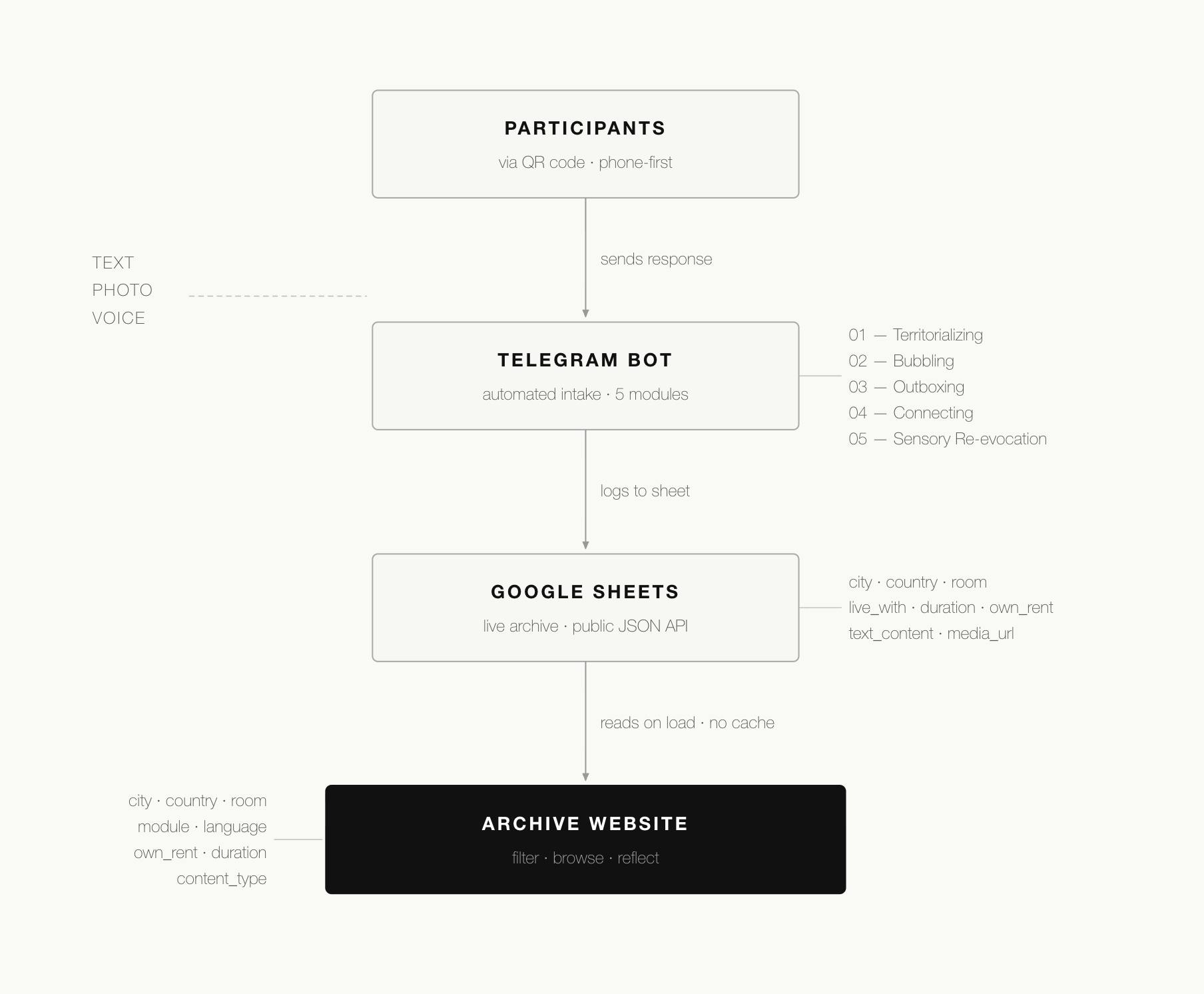
The project began with a strong systems-thinking approach. I wanted to create a global, accessible platform where people could document their everyday practices of making home. The early architecture included:
- A Telegram bot for structured contributions across Paolo Boccagni's five dimensions of homing
- Automated logging into a database
- A dynamic live archive with filtering capabilities
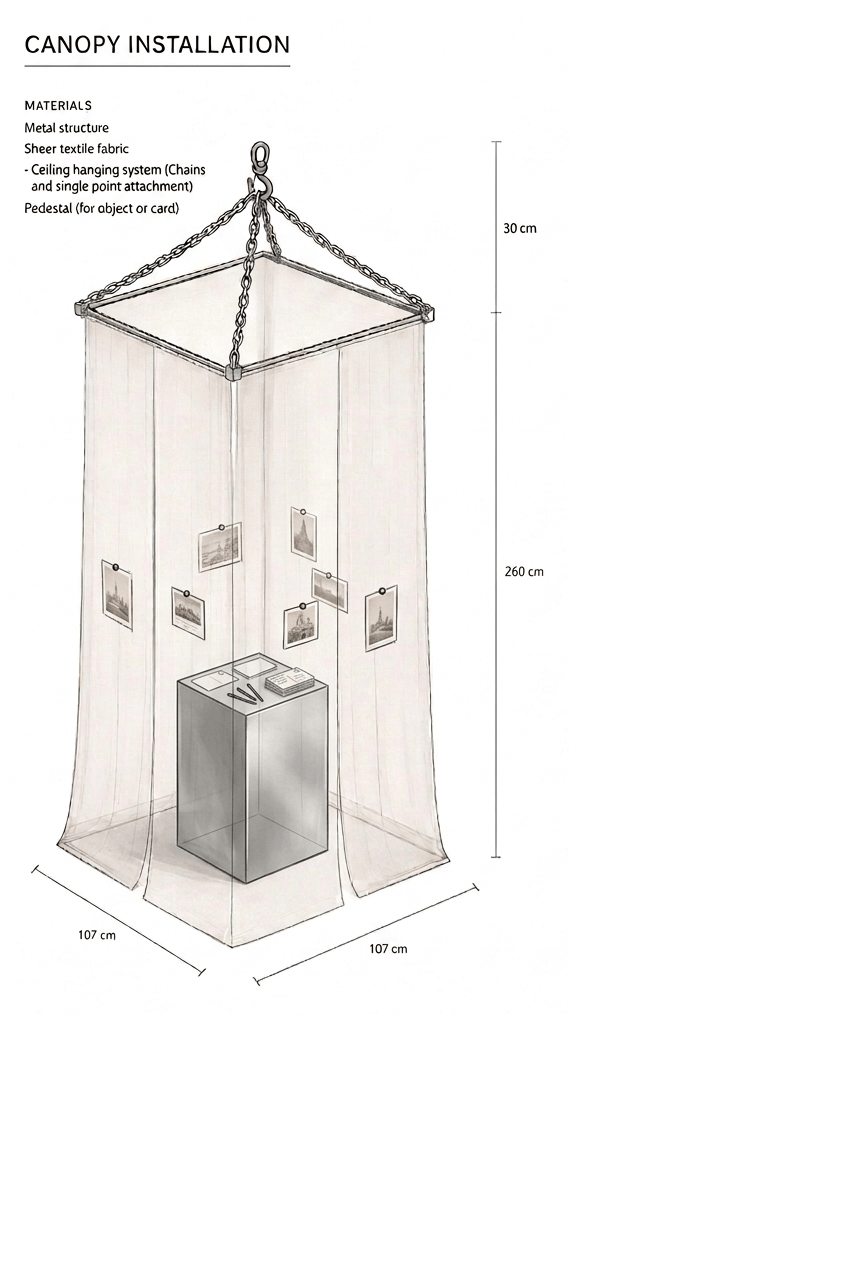
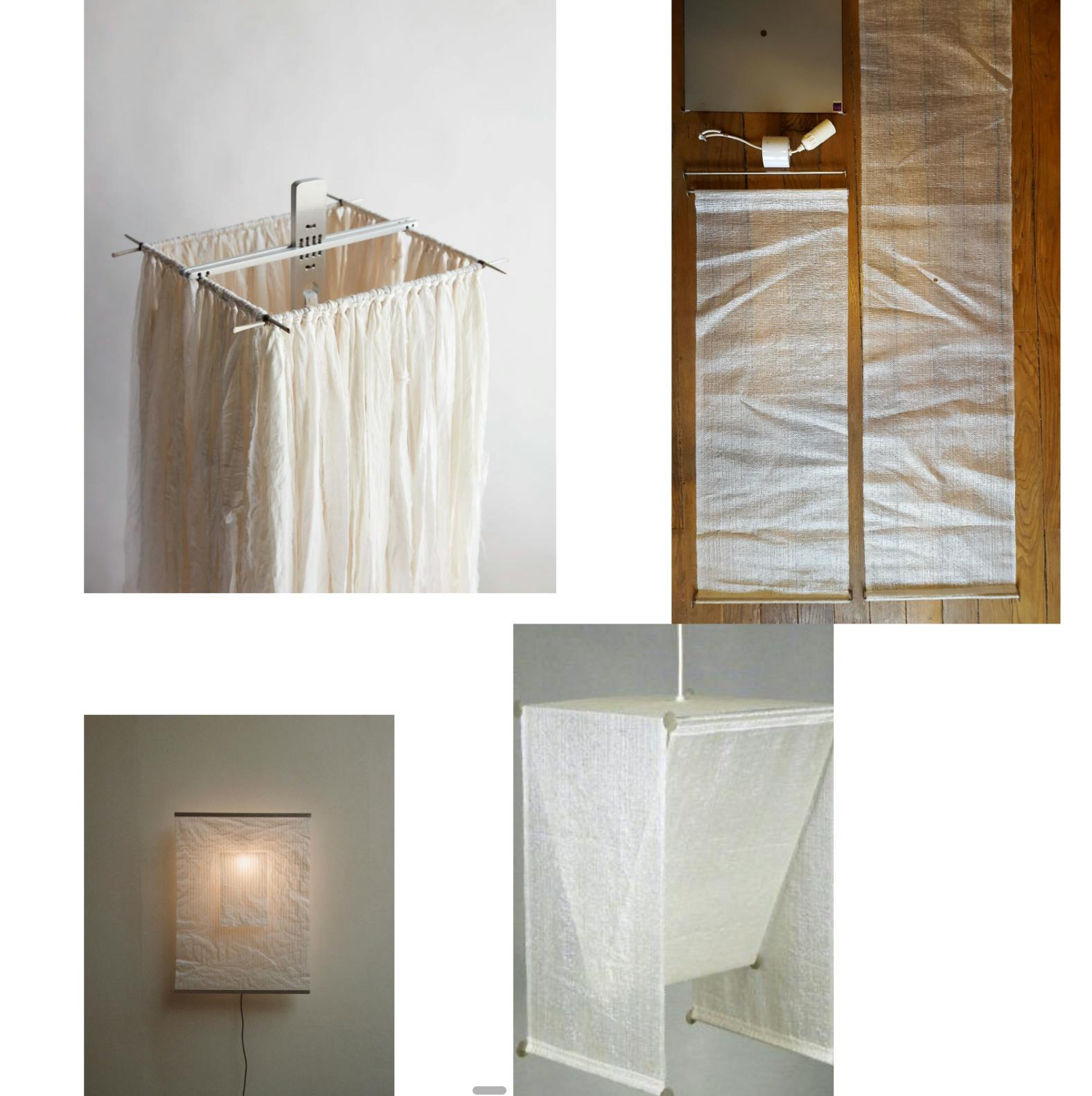
- A canopy-like installation at the graduation exhibition acting as a physical portal to the digital system
The goal was ambitious: build a scalable, always-on infrastructure that could capture homing practices at scale using simple, accessible technology.
Why Everything Changed
As I dove deeper into the literature (Boccagni, Coccia, Haraway, bell hooks, Brun & Fábos) and ran early workshops, I realized something critical: home resists optimization.
The more I worked with people, the clearer it became that the real value wasn't in collecting large amounts of data, but in creating conditions for slow, reflective, embodied practice. The project shifted from "How do we scale archiving?" to "How do we make homing practices more visible, nameable, and shareable?"
This evolution moved the project from:
- Digital-first → Hybrid (digital serving analog)
- Automated → Situated and intentional
- Data collection → Facilitating personal and collective practice
- Global scale → Intimate, local, and meaningful encounters
Additionally, I abandoned the idea of building a physical canopy, as it was not really my project but more a representation of it. That's why I decided to focus on the actual components of the project.
Final System Architecture
1. Digital Layer
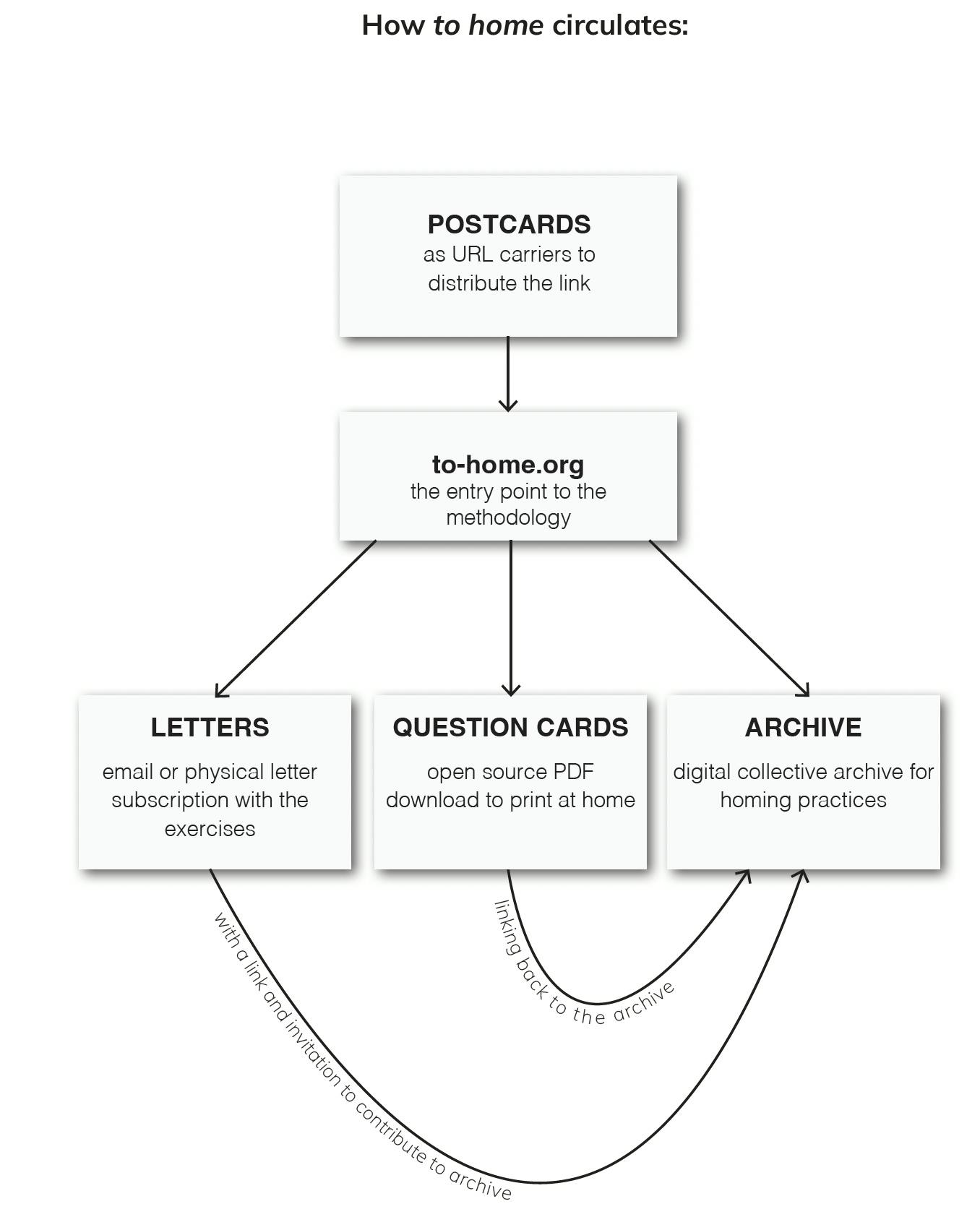
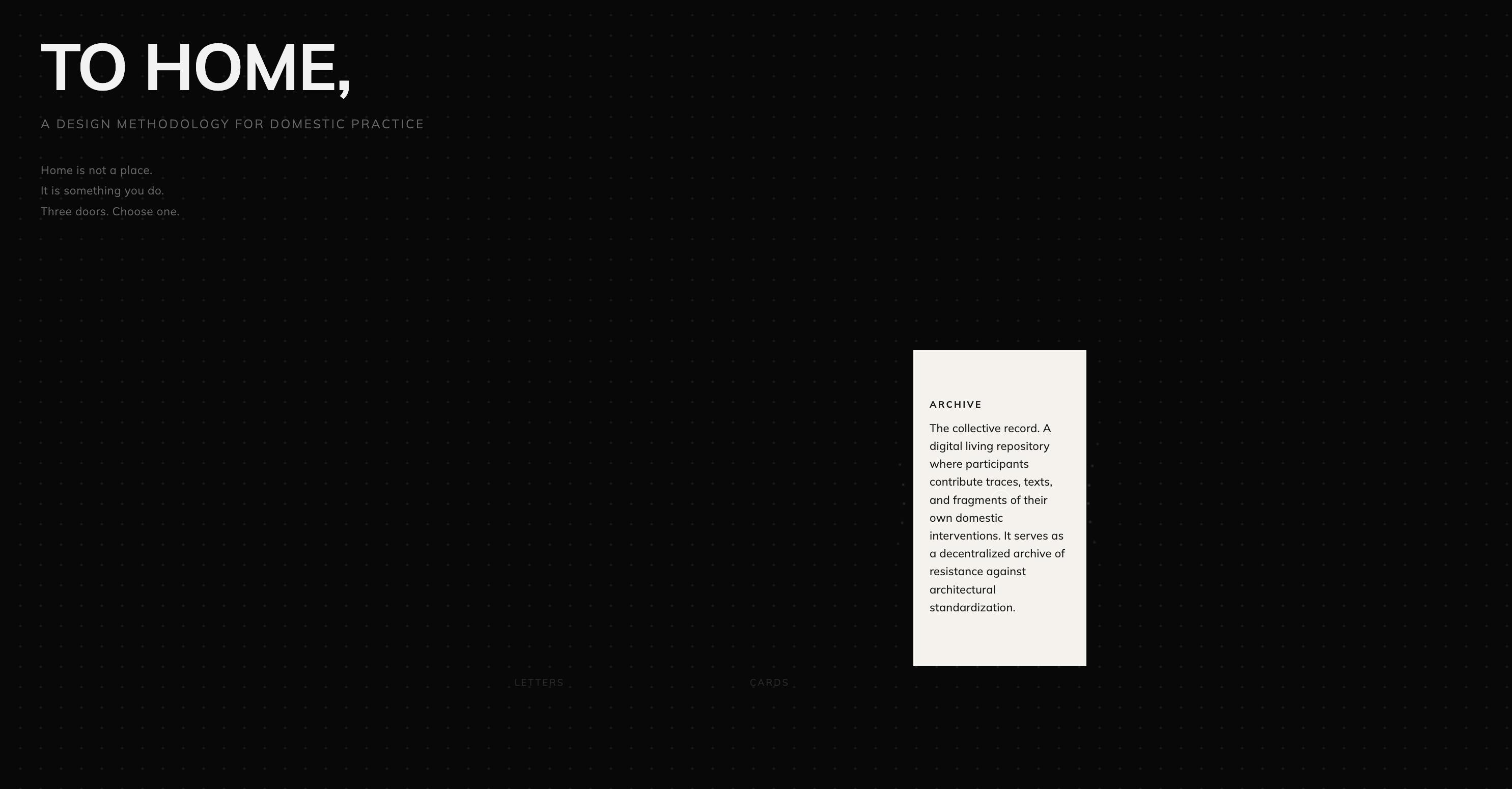
- to-home.org — The calm, poetic landing page serving as the main threshold. It presents three clear doors: Letters, Cards, and Archive.
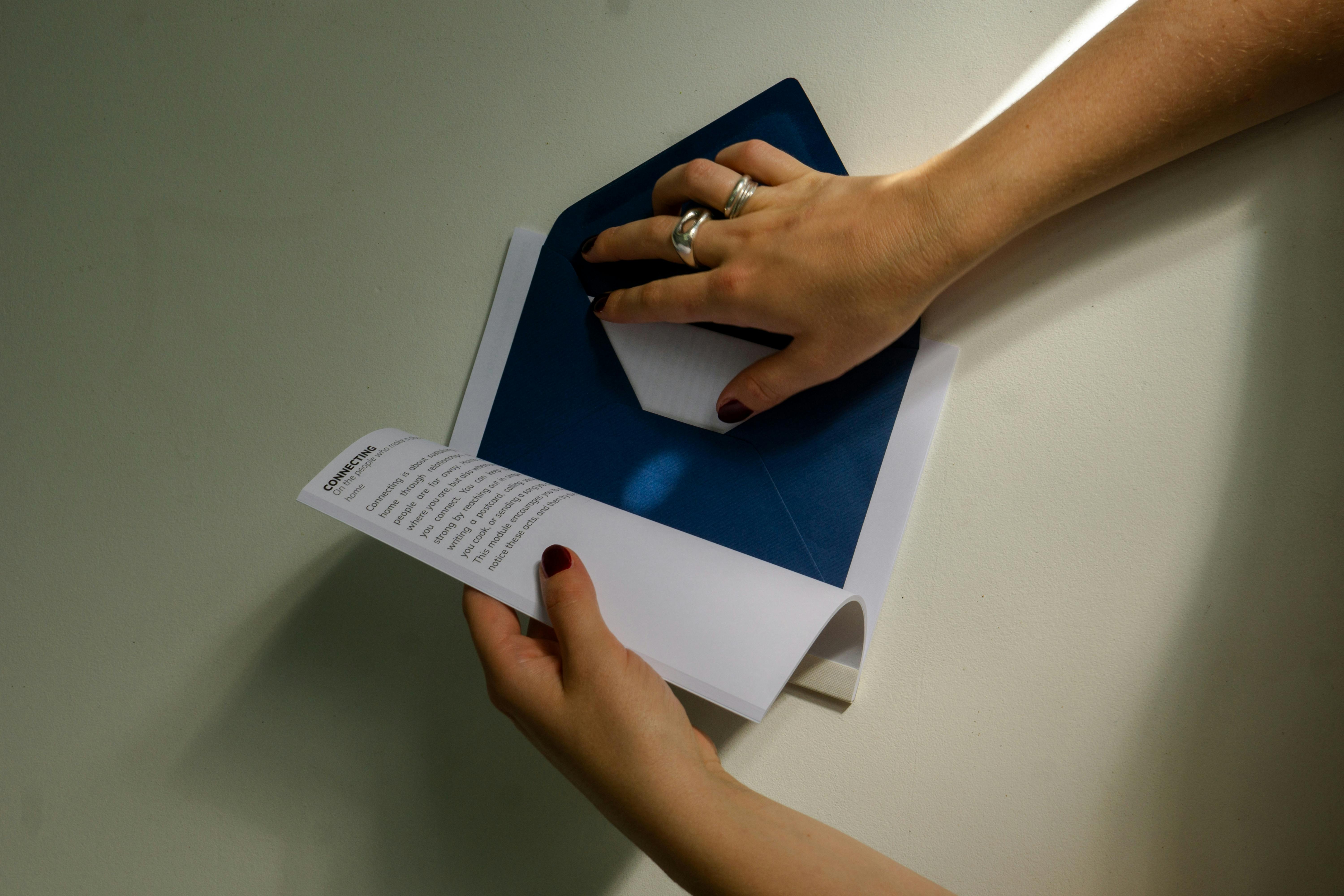
- Door 1, Letters — Five progressive emails, each focused on one dimension of homing (Territorializing, Bubbling, Outboxing, Connecting, Sensory Re-evocation). Built with a simple, privacy-first subscription form.
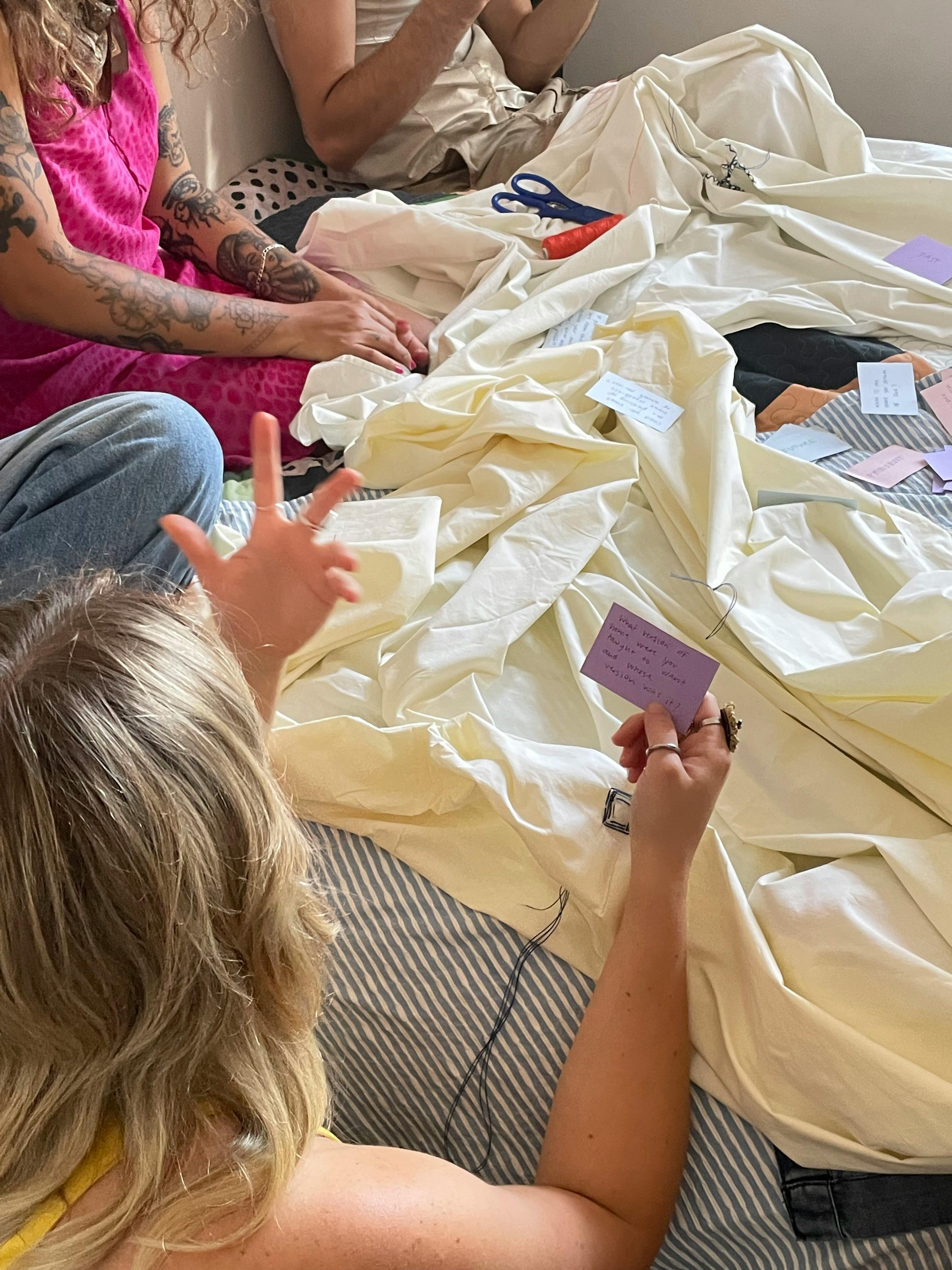
- Door 2, Question Cards — Open-source printable cards divided into Past, Present, and Future. Available as a high-quality PDF for home printing.
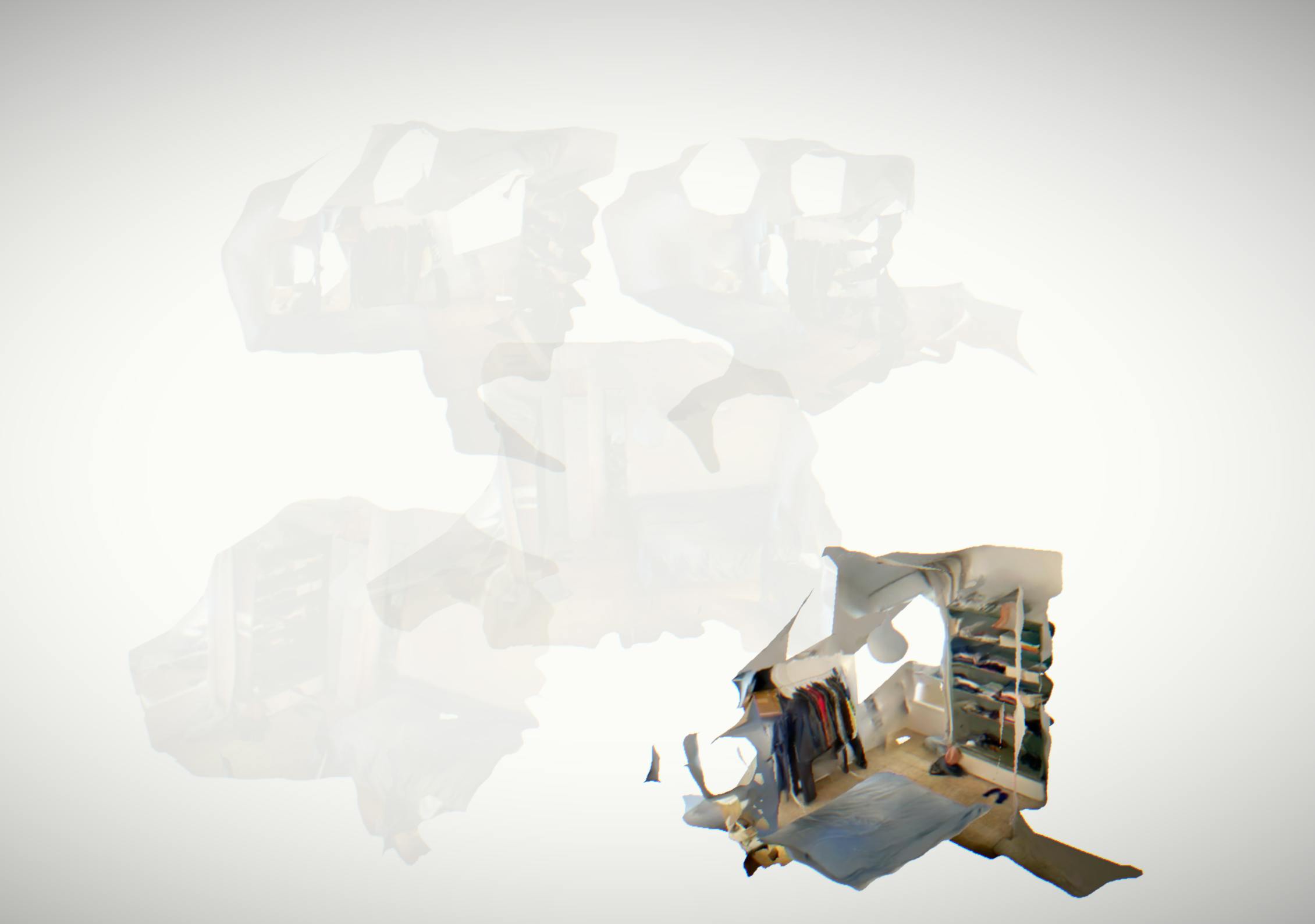
- Door 3, Living Archive (archive.to-home.org) — A growing public collection of contributions. Submissions are anonymous and lightweight (text + images).
The entire web stack was built with vanilla HTML, CSS, and JavaScript to ensure longevity, performance, and alignment with the project's critique of standardization.
2. Physical & Spatial Layer (Exhibition Installation)
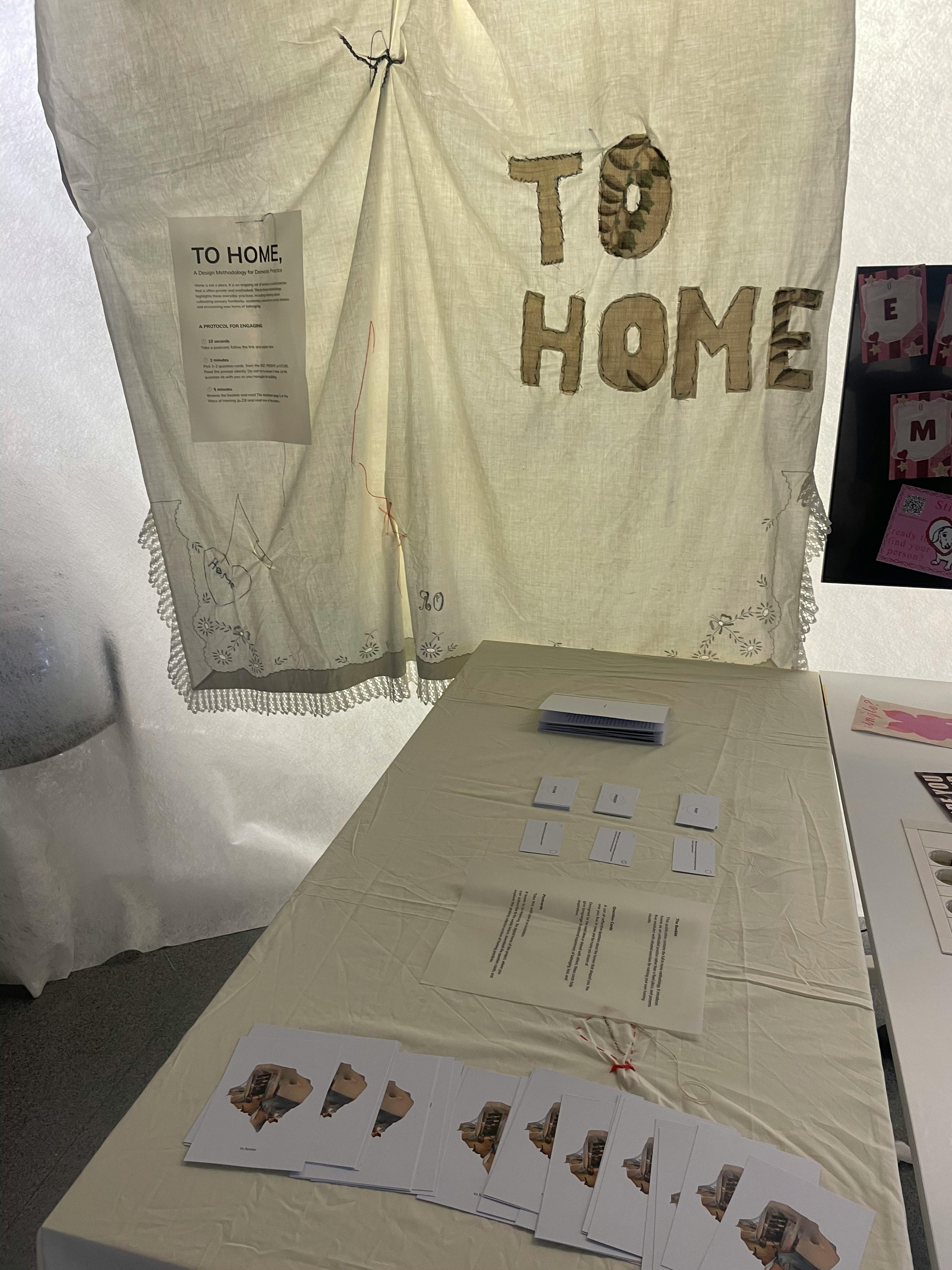
The exhibition booth became an active site of practice rather than passive display. Key elements include:
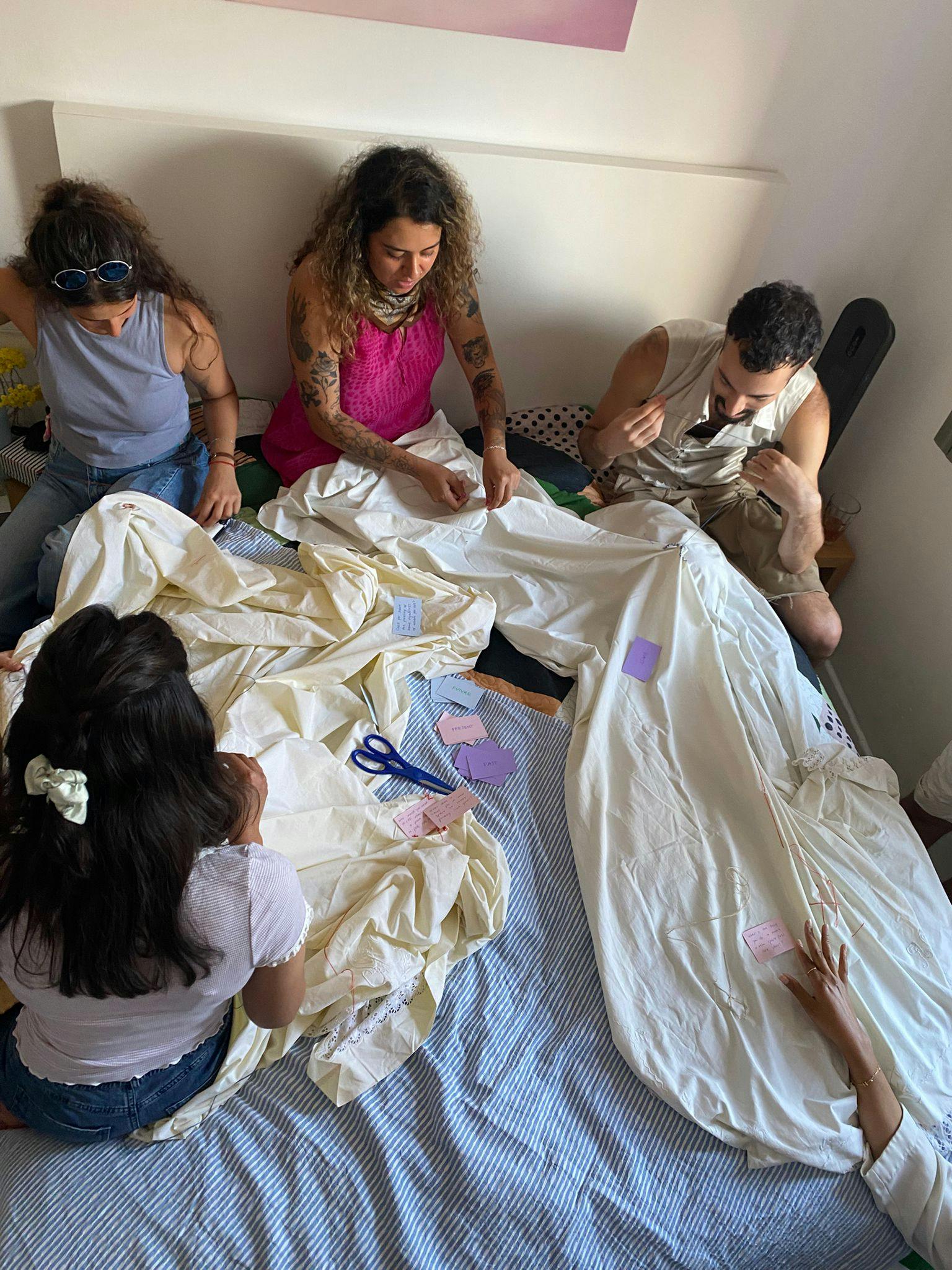
- Embroidered Bedsheets from the workshop as the emotional and visual centerpiece, created during workshops where participants stitched answers to the question cards onto shared fabric.
- Artifact Islands:
- Stacks of physical Question Cards
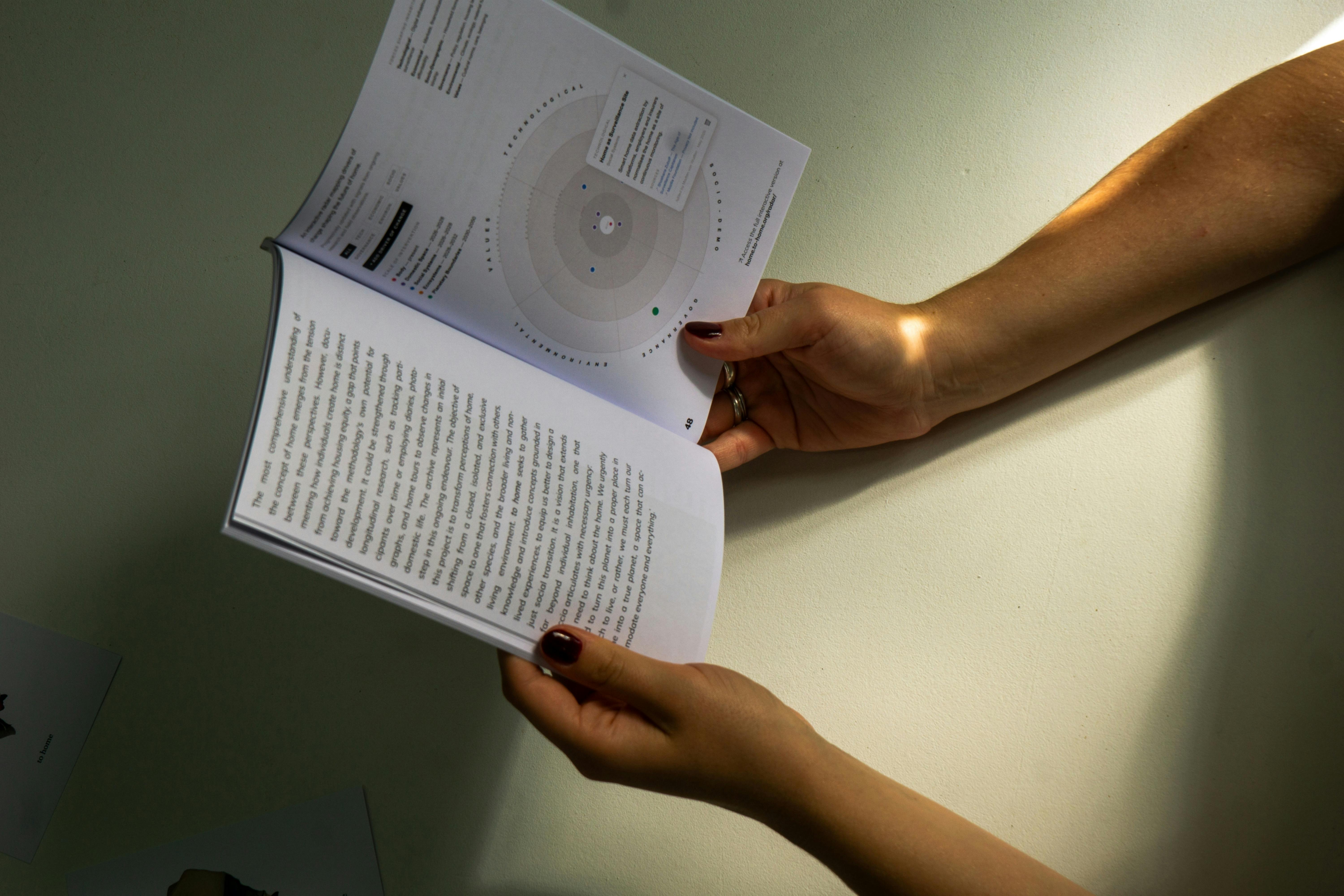
- Open Publication Booklet (the full methodology)
- Take-away Postcards with a link to the landing page
The Publication
The printed booklet brings everything together. It contains:
- The poetic Manifesto: Home Embodied
- Theoretical framework
- Five Ways of Homing modules with the exercises from the letters
- Documentation of the methodology and its evolution
Key Lessons Learned
- Technology should disappear — The most meaningful moments happened when people touched fabric, read a question aloud, or stitched one word.
- Slowness is radical — Fighting the pressure to "scale" allowed the project to become deeper and more honest.
- Home is political — Questions of privilege, access, and domicide remained central throughout.
- Hybrid systems are powerful — The digital archive now serves as quiet infrastructure rather than the main attraction.
Future Directions
- Continue growing the archive organically through workshops and letters
- Develop open-source workshop kits for other facilitators
- Explore new hybrid formats (physical letters paired with digital contributions)
- Deepen research into unequal access to homing practices